




Your Shopping Cart is Empty





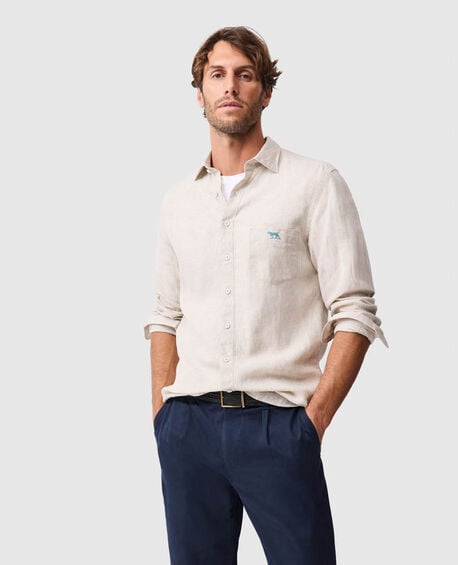
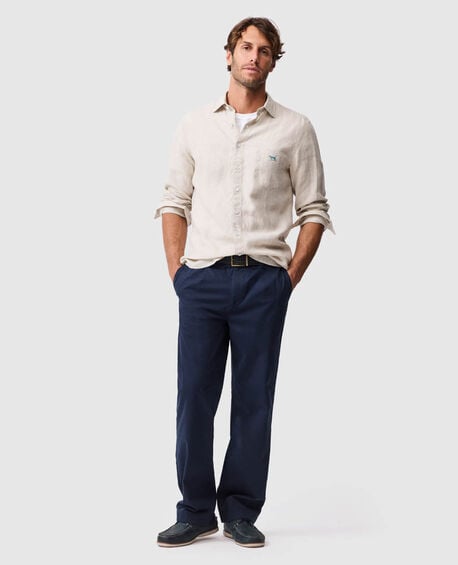

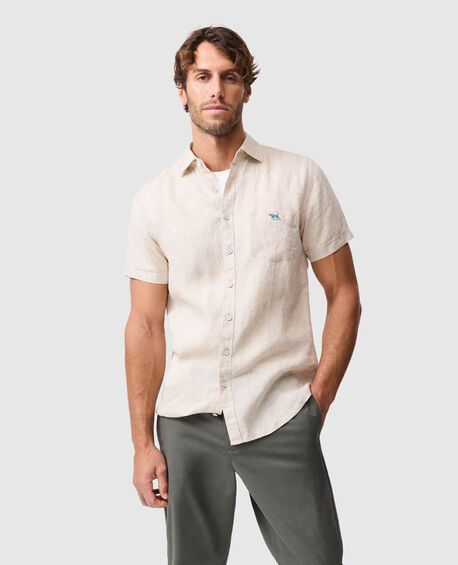
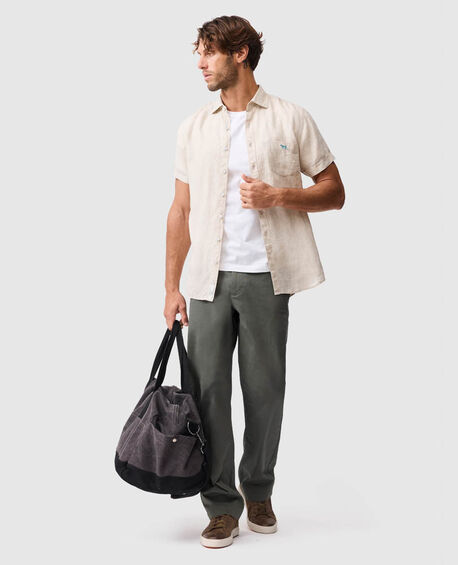


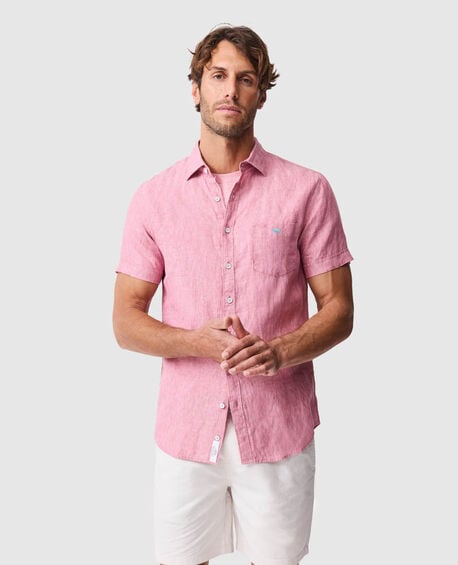
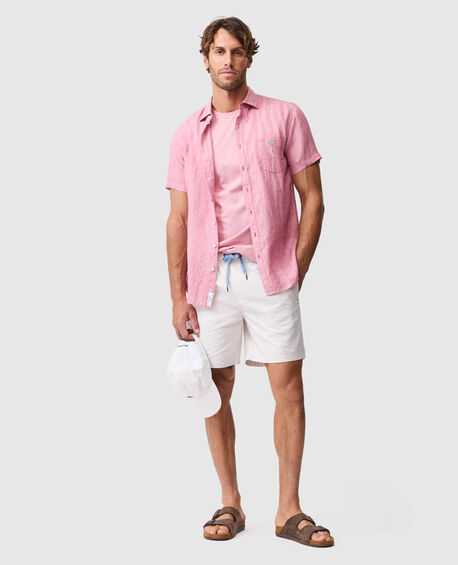
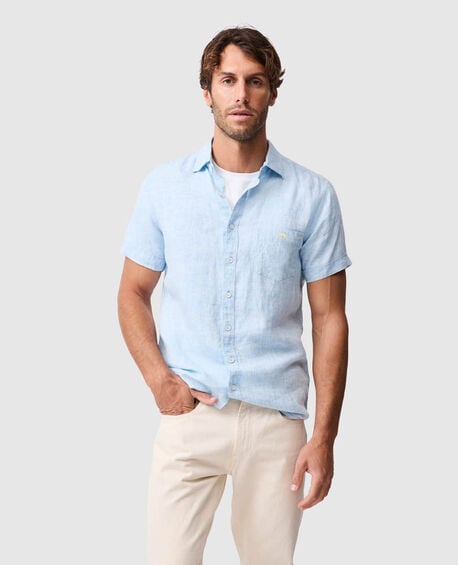
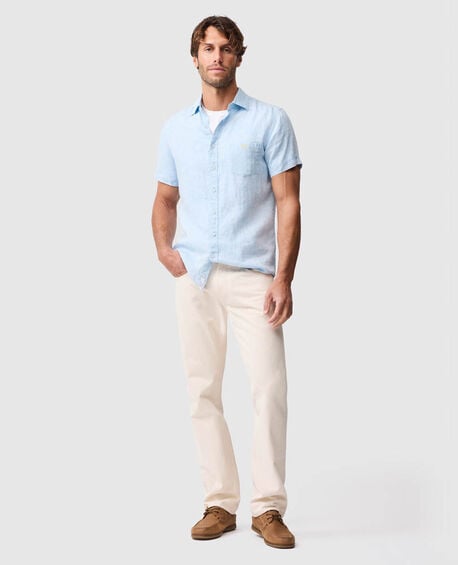


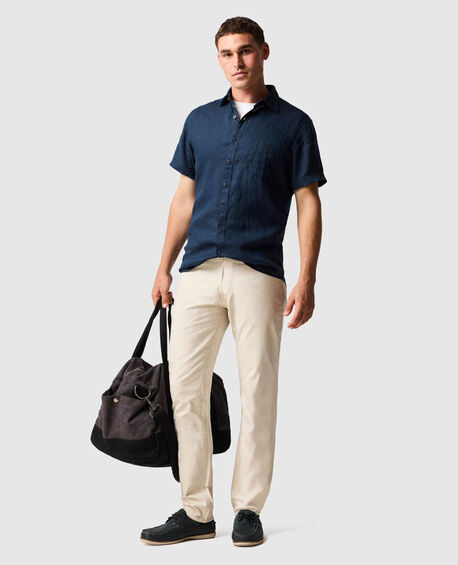

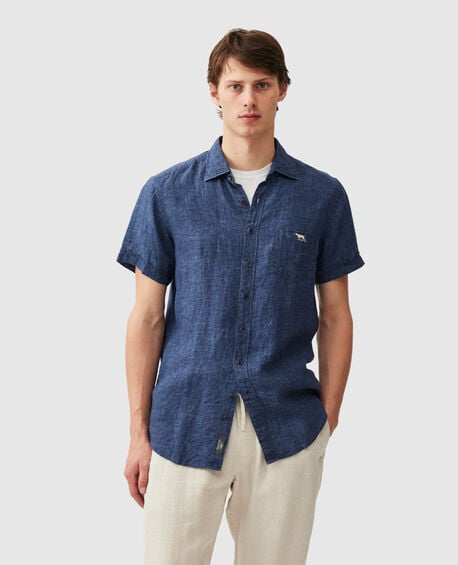
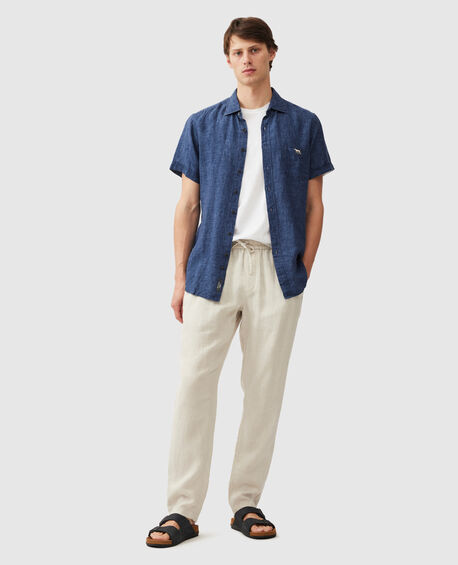


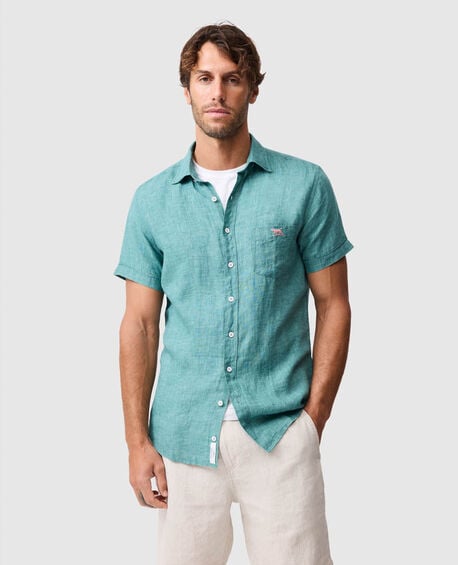
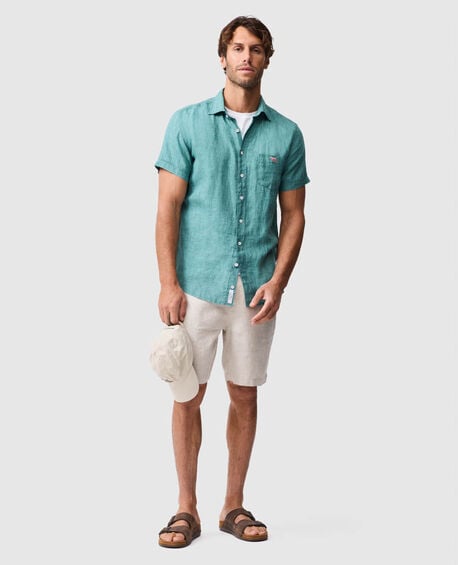

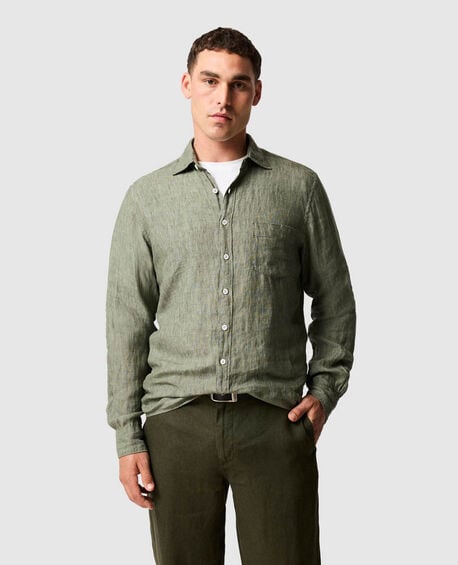
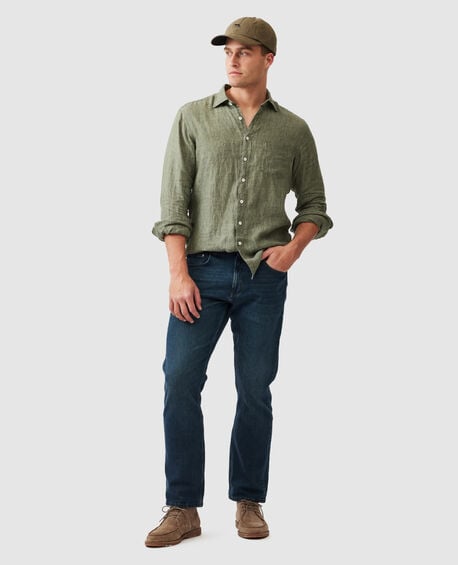
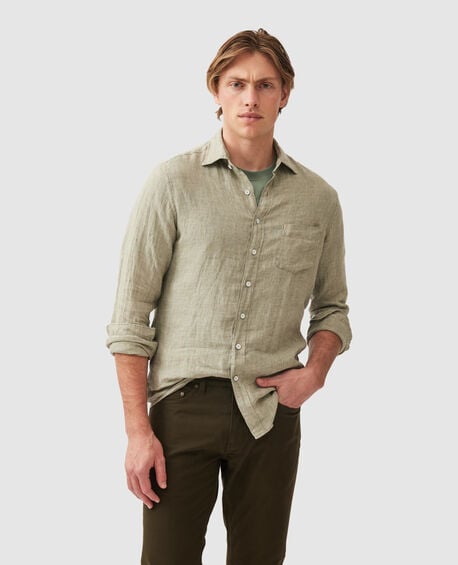
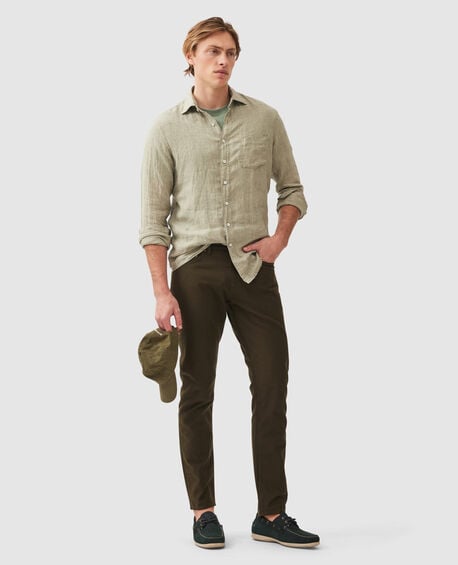
MEN’S LINEN SHIRTS
Linen is woven from flax fibres, which are naturally hollow. That structure allows air to circulate through the fabric, which is why linen feels cooler against the skin than cotton in warm conditions. Flax fibres are also stronger than cotton, which means a well-made linen shirt holds its structure through repeated washing rather than thinning or distorting over time. Linen absorbs moisture quickly and releases it just as fast, keeping the fabric from clinging. It is also temperature-regulating: it keeps you cool when it is warm and provides a degree of insulation when conditions cool down.
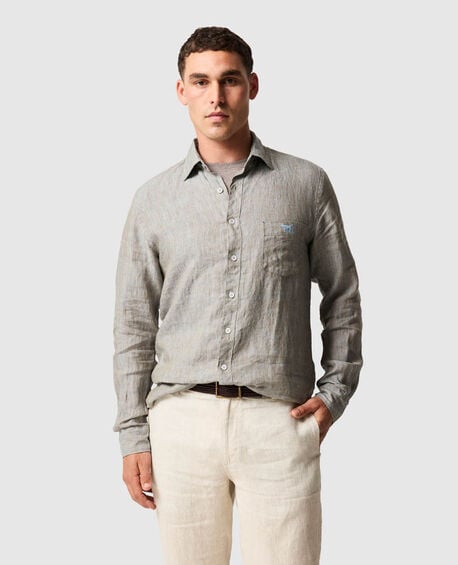
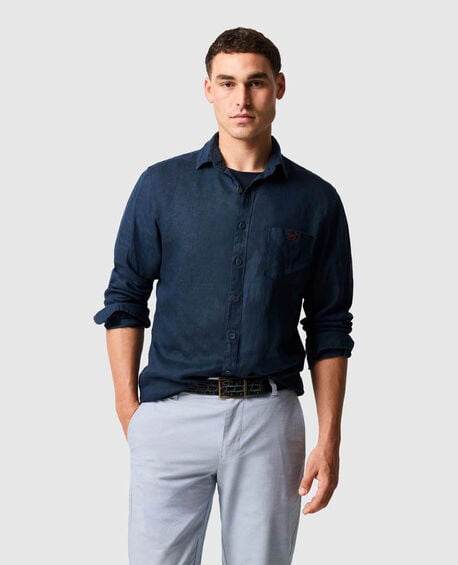
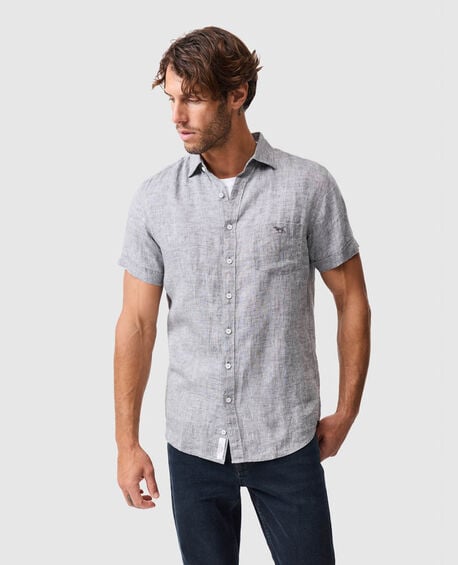
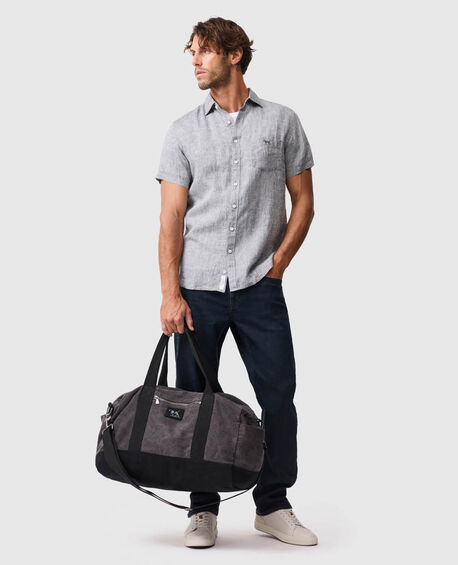
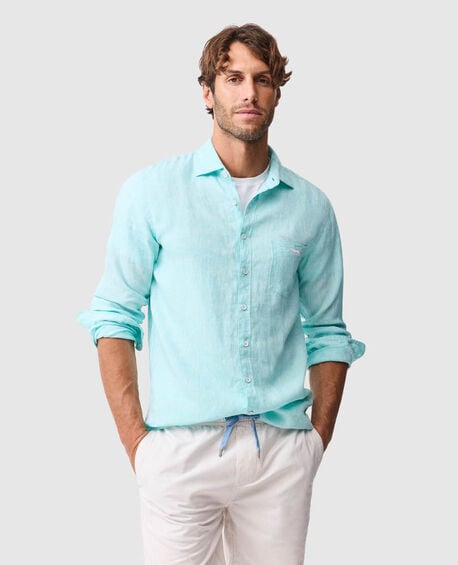
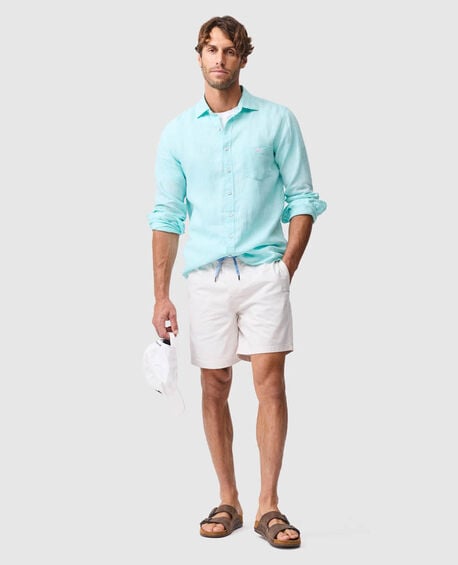
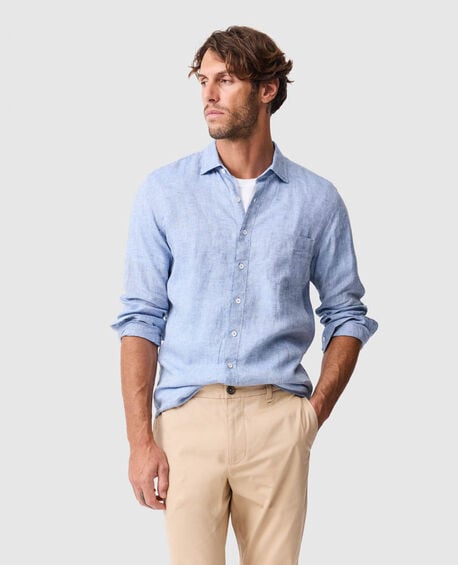
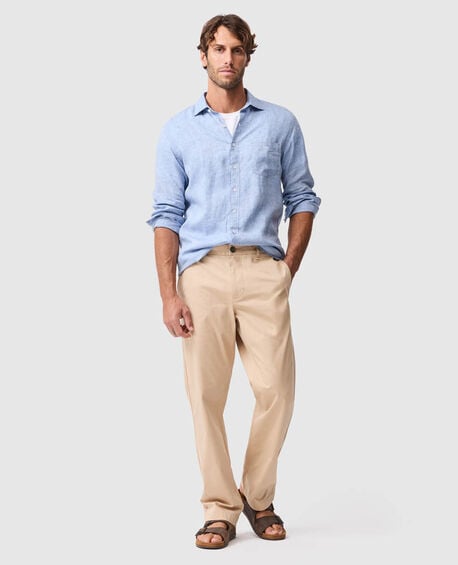
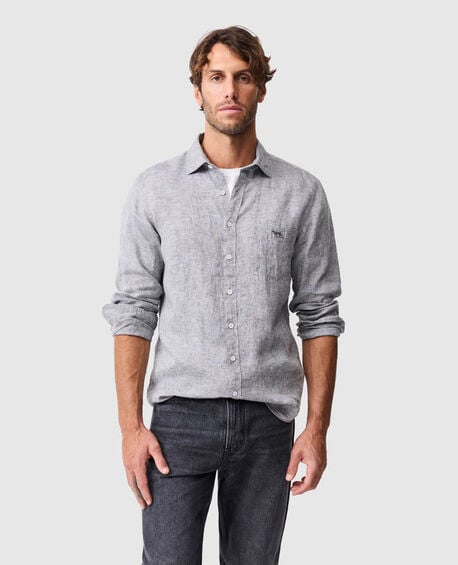
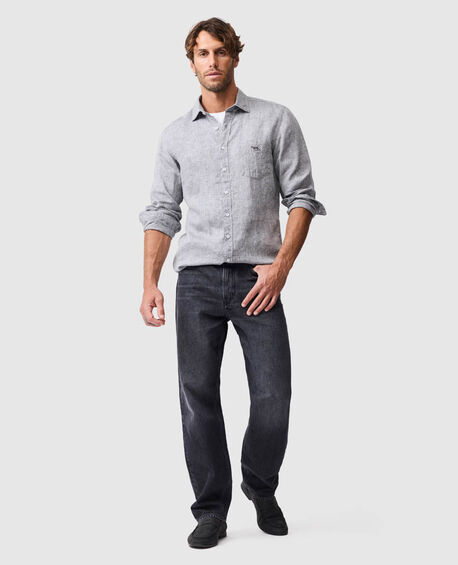
Our linen shirts are pre-washed before leaving the factory, which removes the stiffness raw linen can carry and starts the softening process early. Select styles use corozo nut buttons on the placket: a natural material cut from the tagua palm seed that resists chipping and ages more gracefully than plastic. Spread collars across the range include removable collar stays, allowing the collar to hold its shape or sit more relaxed depending on preference. The linen itself is milled by Albini in Bergamo, Italy, from flax harvested in France and Belgium. Each of these details compounds: the result is a shirt that is better to wear from the first time and improves over time
Yes, Linen does wrinkle. The fibre has lower elasticity compared to cotton, which means creases can form easily with wear and movement. A shirt made from quality linen that is pre-washed and properly finished, develops creases that look lived-in. Rodd & Gunn linen shirts are designed to fade and soften with wear, and the wrinkling is part of that character rather.
Yes. Linen fibres loosen and relax with each wash and each wear, which gradually changes how the fabric feels against the skin. A new linen shirt has a certain crispness to it even after pre-washing. After a season of regular use it feels noticeably softer and more pliable. Rodd & Gunn shirts are pre-washed to start that process early, but the softening continues well beyond the first wear. The care instruction "designed to fade" reflects this: the shirt is not meant to stay as it was when new. It is meant to improve. The Albini linen used across the range is chosen for how it ages, not just how it looks at first.
A delave wash is a finishing process applied to the fabric before the shirt is constructed. The fabric is washed in a way that partially fades the colour and softens the hand feel, giving it a slightly weathered, lived-in appearance from new. On a linen shirt, the effect is subtle: the colour sits a little lighter and more uneven than a sharp, untreated fabric, and the surface feels softer to the touch. It is the opposite of a crisp, formal finish. Rodd & Gunn use the delave process across select linen styles to give the shirt a relaxed character straight form the first wear, rather than requiring many washes to reach that state.
The answer is in the fibre and the finish. Linen from well-established regions have stronger fibres and are less prone to pilling or thinning at points of wear like the collar and cuffs. How the fabric is processed at the mill determines its consistency of weight, colour retention, and how it responds to repeated washing. Construction details make a real difference over time too: natural buttons resist chipping and cracking where plastic alternatives do not. The collars are designed to hold their shape and prevent them from curling with wear.